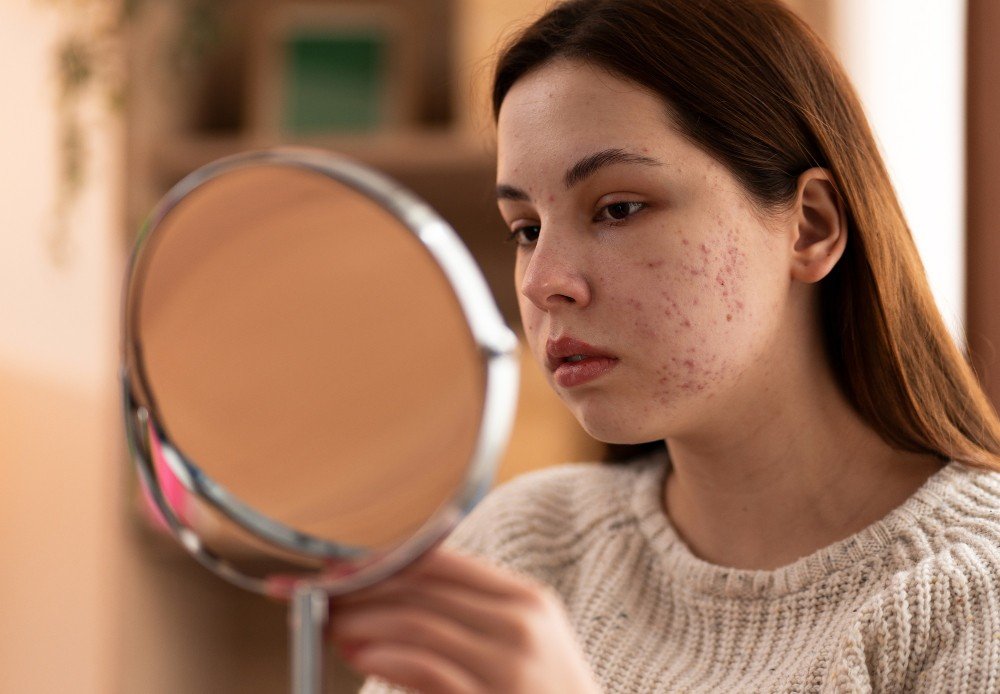
Are Medical Acne Treatments Safe for Sensitive Skin Types?
Sensitive skin and acne often seem to appear together, which feels unfair to many people dealing with both. A face that flushes easily, stings with new products, or becomes irritated after simple cleansing can also break out in ways that feel stubborn and unpredictable. Because of this, the idea of using medical acne treatments may sound intimidating. There is often a worry that anything strong enough to help acne might also overwhelm delicate skin.
In dermatology clinics, this concern is heard almost every day. Sensitive skin does not mean that acne has to be ignored or managed only with the mildest options. It does mean, however, that treatment needs to be chosen carefully and adjusted based on how the skin reacts. With thoughtful planning and ongoing monitoring, many people with sensitive skin are able to manage acne more comfortably than they expected.
Why Sensitive Skin Changes How Acne Is Treated
During consultations, the phrase best acne treatment in Singapore may come up naturally in the middle of conversations about stinging sensations, redness, and previous reactions to products, rather than as a single goal. This reflects how acne care is usually framed for sensitive skin types.
Sensitive skin tends to have a weaker barrier, which allows irritants to penetrate more easily. When this barrier is disrupted, inflammation increases, and acne may worsen rather than improve. Therefore, the first priority is often to calm and stabilize the skin before introducing anything more active.
In practice, this means that acne treatment for sensitive skin is usually paced more slowly and monitored more closely.
Understanding What Sensitive Skin Really Means
Sensitive skin is not a diagnosis, but rather a description of how the skin behaves. It may burn, itch, or redden easily. Some people notice sensitivity only when certain products are used, while others feel it most of the time.
This reactivity can be caused by a compromised barrier, underlying inflammation, or conditions such as eczema or rosacea. Acne can coexist with all of these. When acne is treated without considering these factors, irritation may increase.
Dermatologists often look for subtle signs of sensitivity, such as fine redness, dryness, or a history of frequent reactions. These clues help guide treatment decisions.
How Medical Acne Treatments Work
Medical acne treatments are designed to target processes that drive breakouts. These include excess oil production, clogged pores, bacterial overgrowth, and inflammation. Many of these treatments are more effective than over-the-counter options, but they can also be more active.
For sensitive skin, the challenge is to gain the benefit of these treatments without triggering excessive irritation. This is where professional supervision becomes important. Dosage, frequency, and combination of treatments are adjusted to match skin tolerance.
In many cases, starting with lower strengths or slower schedules allows the skin to adapt.
The Role of Skin Barrier Support
Before or alongside acne treatment, barrier support is often emphasized. This may include gentle cleansers, soothing moisturizers, and avoidance of harsh exfoliants.
A stronger barrier helps the skin tolerate acne medications more comfortably. It also reduces the risk of post-inflammatory pigmentation, which is a common concern for sensitive skin.
In practice, barrier care is not separate from acne care. It is part of the same plan.
Gradual Introduction of Active Treatments
For sensitive skin, acne treatments are usually introduced gradually. Instead of applying a new product daily from the start, it may be used a few times a week and increased as tolerated.
This slow approach allows the skin to build tolerance. If redness or stinging appears, adjustments can be made before significant irritation develops.
Unfortunately, this means results may take longer to appear. However, the trade-off is often better comfort and fewer setbacks.
Monitoring Skin Response Over Time
Sensitive skin can change over time. A product that is tolerated one month may cause irritation the next, especially if other factors such as stress or weather change.
Regular follow-up allows dermatologists to see these patterns. If a treatment becomes too irritating, it can be modified or paused.
This ongoing monitoring is one of the reasons medical care is often safer for sensitive skin than self-directed experimentation.
Addressing Inflammation Alongside Acne
Inflammation is a key driver of both acne and sensitivity. Red, inflamed skin is more likely to break out and more likely to react to treatment.
Medical acne care often includes strategies to reduce inflammation. This may involve topical or systemic options chosen for their calming effect as well as their ability to reduce breakouts.
In practice, reducing inflammation often improves both acne and sensitivity at the same time.
Pigmentation and Sensitive Skin
Sensitive skin is often more prone to pigmentation changes after inflammation. Even mild acne can leave dark marks that linger.
This risk influences how acne is treated. Gentle, consistent control of breakouts may prevent these marks from forming, even if it takes longer to clear active lesions.
Dermatologists often balance the need for acne control with the need to protect pigment stability.
Emotional Concerns and Treatment Choices
Living with sensitive, acne-prone skin can be emotionally tiring. Fear of reactions may lead people to avoid treatment, even when acne affects their confidence.
Professional care often helps by explaining what sensations are expected and which ones signal a problem. This clarity can reduce anxiety and make treatment feel more manageable.
Feeling supported is an important part of the process.
When to Seek Professional Help
- Acne that persists despite gentle skincare
- Skin that burns, stings, or becomes red with many products
- Frequent breakouts leaving dark marks or irritation
- History of reactions to acne treatments
- Uncertainty about what the skin can tolerate
A Careful Balance Between Efficacy and Comfort
Medical acne treatments can be used safely on sensitive skin when chosen and managed carefully. The goal is not to push the skin beyond its limits, but to guide it toward stability and clearer pores.
Unfortunately, rushing treatment often leads to irritation and setbacks. A slower, more thoughtful approach tends to produce steadier improvement and fewer complications.
By respecting the skin’s sensitivity while addressing acne, care becomes more sustainable.
Commonly Asked Question
Can sensitive skin really handle medical acne treatments?
In many cases, yes. Treatment plans are adjusted to match skin tolerance and reduce irritation.
Will acne treatment make my redness worse?
It can temporarily, but careful dosing and barrier support usually help keep this under control.
How long does it take to see improvement?
Timelines vary. Some people notice changes within weeks, while others need more gradual progress.
Is it normal to feel mild tingling or dryness?
Mild sensations can occur, but persistent burning or severe redness should be reviewed.
Can pigmentation be prevented in sensitive skin?
Careful control of inflammation and sun protection often reduce the risk.
Next Steps
If you have sensitive skin and ongoing acne, a consultation with a dermatologist can help determine which medical treatments are likely to be both safe and helpful for you. Understanding how your skin reacts and what options exist may make it easier to approach acne care with more confidence and less worry over time.
Share this content:








Post Comment