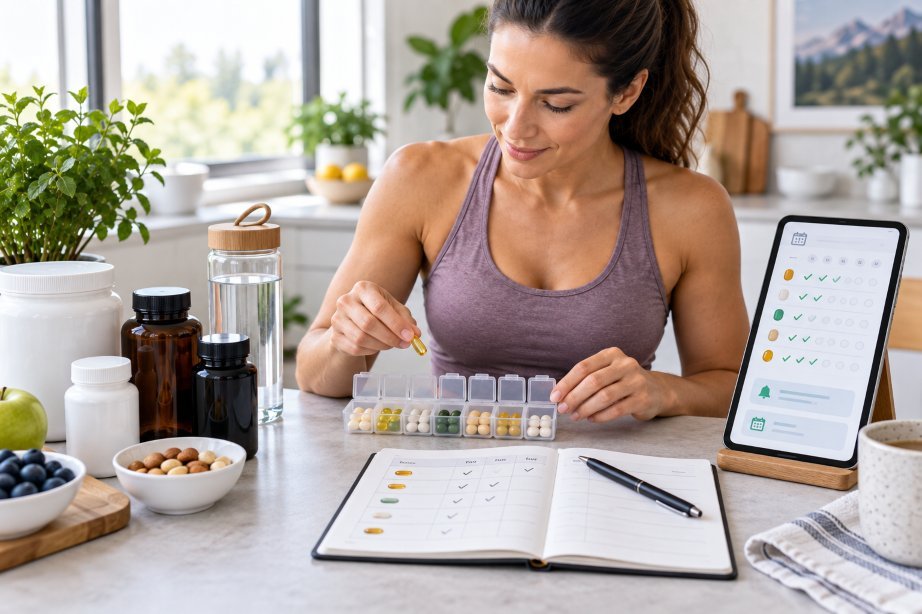
Supplement Management Thespoonathletic: A Complete Guide to Smarter Supplement Use
Supplement use has become part of daily life for many people. Some take vitamins for general wellness, while others use protein powders, omega-3, or sports nutrition products to support fitness goals. Even though supplements can be helpful, they work best when people use them with a clear plan. Good supplement management helps you choose the right products, take them at the right time, and avoid unnecessary use.
This guide on Supplement Management Thespoonathletic explains how to build a smarter and safer supplement routine. You will learn about supplement selection, timing, tracking, safety, and organization. You will also understand how to create a routine that fits your personal needs, health goals, and daily lifestyle.
2. What Is Supplement Management Thespoonathletic?
Supplement Management Thespoonathletic refers to the organized process of choosing, using, and monitoring dietary supplements in a smart way. It includes several important parts such as selecting suitable supplements, following the right dosage, deciding the best timing, tracking daily intake, and paying attention to safety.
Supplement management is not just about buying products and taking them randomly. It involves understanding why you are taking each supplement and whether it supports your health, wellness, or fitness goals. A good system helps you stay consistent and avoid confusion.
In this article, the term Thespoonathletic is used as the focus keyword connected to supplement management. It does not claim a specific medical system, product, or official program. Instead, it represents the broader idea of managing supplements in a practical, informed, and structured way.
3. Why Is Proper Supplement Management Important?
Proper supplement management helps people make better decisions and avoid common mistakes. When you stay organized, you reduce the chance of overuse, missed doses, or poor supplement choices.
Maintaining a Consistent Supplement Routine
A consistent routine helps you remember what to take and when to take it. It also makes it easier to judge whether a supplement is helping over time.
Reducing the Risk of Excessive Supplement Intake
Taking too many supplements can create problems, especially when products contain overlapping ingredients.
According to the National Institutes of Health (NIH), taking high doses of certain supplements or combining multiple products can increase the risk of side effects. Checking your total daily nutrient intake helps you avoid excessive consumption and make safer supplement choices.
- You may accidentally take duplicate vitamins or minerals.
- High doses can increase the risk of side effects.
- Some supplements may interfere with one another.
- Extra products may add cost without adding real value.
Identifying Unnecessary Supplements
Many people buy supplements they do not really need. Proper management helps you review your routine and remove items that do not match your goals, diet, or health needs.
Managing Supplement Costs
Supplements can become expensive when you buy too many products. A clear plan helps you focus on useful products only and avoid waste.
Supplement Categories Table
| Supplement Category | Common Uses | Important Considerations |
| Multivitamins | General nutrient support | Check if you already get enough nutrients from food |
| Protein Supplements | Muscle recovery and protein intake | Match use to training level and diet |
| Omega-3 | Heart and brain support | Check quality and serving size |
| Vitamin D | Bone and immune support | Avoid high doses without guidance |
| Magnesium | Muscle function and relaxation | Review timing and total intake |
| Creatine | Strength and performance support | Use proper dosage and hydration |
| Probiotics | Digestive support | Choose strains based on your needs |
4. Understanding Different Types of Supplements
Different supplements serve different purposes. Understanding these types can help you create a smarter routine.
Vitamins and Minerals
These supplements help fill nutritional gaps. Common options include vitamin D, vitamin C, iron, calcium, zinc, and magnesium. They may be useful when a person has low intake from food or specific health needs. Still, more is not always better, so dosage matters.
Protein Supplements
Protein powders are popular among people who want support for muscle recovery, convenience, or higher daily protein intake. Whey, casein, and plant-based proteins are common choices. These products should support a balanced diet, not replace whole meals every day.
Creatine and Other Sports Supplements
Creatine is one of the most common fitness supplements. Many athletes and gym users take it to support strength and training performance. Other sports supplements may include pre-workout formulas, electrolyte blends, and recovery products. These products should match your training demands and personal goals.
Omega-3 and Other Dietary Supplements
Omega-3 supplements are often used for general wellness. Other common options include probiotics, fiber supplements, collagen, and herbal products. These should be chosen carefully based on your needs, health status, and how they fit into your routine.
5. How to Create a Personalized Supplement Management Plan
A personalized plan helps you avoid guesswork and create a routine that makes sense for you.
Identify Your Nutritional Needs
Start by asking what you actually need. Think about your diet, lifestyle, age, activity level, and health goals. A person with intense training needs may not have the same needs as someone focused on general wellness.
Review Your Existing Diet
Look at what you already eat. If your meals already provide strong nutrition, you may only need a few targeted supplements instead of many different products.
Set Clear Supplement Goals
Know your purpose. Do you want to support energy, recovery, bone health, general wellness, or workout performance? Clear goals make supplement choices easier.
Consult a Qualified Healthcare Professional
A qualified professional can help you avoid poor combinations, unnecessary use, or dosage mistakes. This is especially important if you take medication or have a medical condition.
Create a Simple Daily Supplement Schedule
Once you know your needs, build a routine you can follow every day.
- List each supplement clearly.
- Write the dosage next to each product.
- Note the best time to take it.
- Mention whether it should be taken with food or without food.
- Use reminders or a planner to stay consistent.
6. Supplement Timing: When Should You Take Your Supplements?
Timing can influence how well a supplement fits into your routine. The right time depends on the product, personal preference, and professional advice.
Morning Supplement Routine
Many people prefer taking multivitamins or other daily supplements in the morning. This can help build consistency because morning routines are often easier to manage.
Supplements Taken With Meals
Some supplements work better when taken with food. This approach may also reduce stomach discomfort for certain products.
Pre-Workout and Post-Workout Supplements
Sports nutrition products such as pre-workout formulas, protein, or recovery supplements often connect to training times. Athletes and active people may plan these around exercise sessions.
Maintaining a Consistent Schedule
Consistency matters more than making your schedule overly complicated. A simple routine that you can follow daily usually works best. If needed, use a supplement checklist or phone reminder to stay on track.
7. How to Choose the Right Supplements for Your Needs
Choosing the right supplements requires more than attractive packaging or marketing claims.
Check Supplement Ingredients and Labels
Always read the label before using a product.
- Review active ingredients carefully.
- Check the serving size and dosage.
- Look for added fillers, sweeteners, or blends.
- Compare nutrient levels with your actual needs.
- Avoid products with unclear labeling.
Look for Independent Quality Testing
Quality matters. Independent testing can give more confidence that the product contains what the label says and follows basic quality standards.
Understand Recommended Dosages
Do not assume that a higher dose gives better results. Follow label directions and use professional guidance when needed.
Avoid Unnecessary Supplement Combinations
Some people take many products that do the same job. This can increase cost, confusion, and the risk of excessive intake. Choose only what supports your real needs.
8. Common Supplement Management Mistakes to Avoid
Many supplement problems come from poor planning rather than bad intentions. Avoid these common mistakes:
- Taking too many supplements at once
- Ignoring recommended dosage instructions
- Combining supplements without checking interactions
- Replacing balanced meals with supplements
- Supplements should support nutrition, not replace real food
- Whole foods provide fiber, variety, and natural nutrients
- Depending too much on powders or pills can weaken diet quality
- Following supplement trends without understanding individual needs
- Ignoring expiry dates and storage instructions
A simple, focused routine often works better than a large collection of products used without structure.
9. How to Track and Organize Your Daily Supplement Intake
Tracking makes supplement use easier, more accurate, and more consistent.
Maintain a Daily Supplement Log
Write down what you take each day. A basic notebook or digital note can help you record dosage, timing, and how you feel over time.
Use Supplement Tracking Apps or Reminders
Phone reminders or tracking apps can help prevent missed doses. These tools are useful for people with busy schedules or more than one supplement.
Organize Supplements With a Weekly Schedule
A weekly pill organizer can make daily routines simpler. It helps you see what you have taken and what is still pending.
Review Your Supplement Routine Regularly
Your needs may change over time. Review your routine every few weeks or months to decide whether your current supplements still fit your goals and lifestyle.
10. Supplement Safety: Dosage, Interactions, and Quality
Safety should always be part of supplement planning.
Understand Safe Dosage Limits
Every supplement has a range that should be followed. Taking more than needed can increase the risk of side effects or create unnecessary strain on the body.
Check for Medication and Supplement Interactions
The U.S. Food and Drug Administration (FDA) advises consumers to consult a healthcare professional before taking dietary supplements. Some supplements may interact with prescription medications, affect medical tests, or cause complications during surgery.
Recognize Possible Side Effects
Pay attention to changes such as stomach discomfort, headaches, sleep changes, or unusual reactions after starting a supplement. If something feels wrong, review the product and get proper advice.
Choose Products From Reliable Manufacturers
Buy from trusted sellers and choose products with clear labeling. Reliable brands usually make ingredient and dosage information easier to understand.
11. Supplement Management for Athletes and Fitness Enthusiasts
Athletes and fitness enthusiasts often pay more attention to supplements because training demands can be higher. Still, supplement needs vary from person to person. Training intensity, workout frequency, recovery needs, diet quality, and performance goals all affect what may be useful.
Some people may use protein supplements to support daily protein intake. Others may use creatine for strength training or electrolyte products for hydration during intense activity. These products can fit into a sports nutrition plan, but not every athlete needs the same routine.
Good supplement management helps active people track intake, prevent overlap, and make smarter choices. The best approach is to match supplement use with real training demands and an overall balanced diet.
12. How Diet and Lifestyle Affect Supplement Effectiveness
Supplements work best when they support healthy habits. A balanced diet provides the foundation for wellness, while supplements fill specific gaps or support selected goals. Sleep, hydration, physical activity, and meal quality all affect how well a routine works.
A person who eats poorly, sleeps badly, and skips meals cannot expect supplements alone to fix everything. Good nutrition, regular exercise, and proper rest create a stronger base for supplement use. In simple terms, supplements should complement your lifestyle, not replace healthy daily habits. A smart routine combines good food choices with proper planning and consistent use.
Frequently Asked Questions
Q1. What is Supplement Management Thespoonathletic?
It refers to the smart planning, selection, timing, tracking, and safe use of supplements.
It helps people build a more organized and goal-based supplement routine.
Q2. How can I create a daily supplement schedule?
List your supplements, write the dosage, and choose the best time for each one.
Use a notebook, weekly organizer, or phone reminder to stay consistent.
Q3. Is it safe to take multiple supplements together?
It can be safe in some cases, but it depends on the ingredients and doses.
You should check for overlap, interactions, and professional advice when needed.
Q4. What is the best time to take dietary supplements?
The best time depends on the product, your routine, and whether it should be taken with food.
Consistency is important, so choose a schedule you can follow daily.
Q5. How can athletes manage their supplements safely?
Athletes should match supplement use with training demands, diet, and recovery needs.
Tracking intake and avoiding unnecessary combinations can improve safety and organization.
Conclusion
Smart supplement use starts with proper planning. Good supplement management helps you choose the right products, use responsible dosages, stay consistent, and avoid unnecessary mistakes. Effective Supplement Management Thespoonathletic begins with understanding your nutritional needs and supporting them with a balanced diet, healthy habits, and professional guidance when needed.
Share this content:














Post Comment