
Scientists Charged After Bringing Deactivated Mpox Samples Into the U.S.
Two scientists from a U.S. government lab now face federal charges after they allegedly brought deactivated mpox virus samples into the United States without proper approval. Authorities also say they lied during questioning at Detroit Metropolitan Airport.
The case has gained attention because it involves public health, lab safety, and rules for moving biological materials across borders. Even when a virus sample is deactivated, scientists must follow strict rules. These rules protect workers, travelers, and the public.
What Happened in This Case?
Federal authorities say the two scientists returned to the United States after travel linked to the Republic of Congo. Officials stopped them at Detroit Metropolitan Airport. Investigators later said they found undeclared biological materials.
The samples reportedly included deactivated mpox virus. Officials also claimed the scientists failed to clearly explain the materials during questioning.
The case does not mean the public faced a known outbreak risk. But it does raise serious questions about research rules and responsibility.
Why Deactivated Virus Samples Still Matter
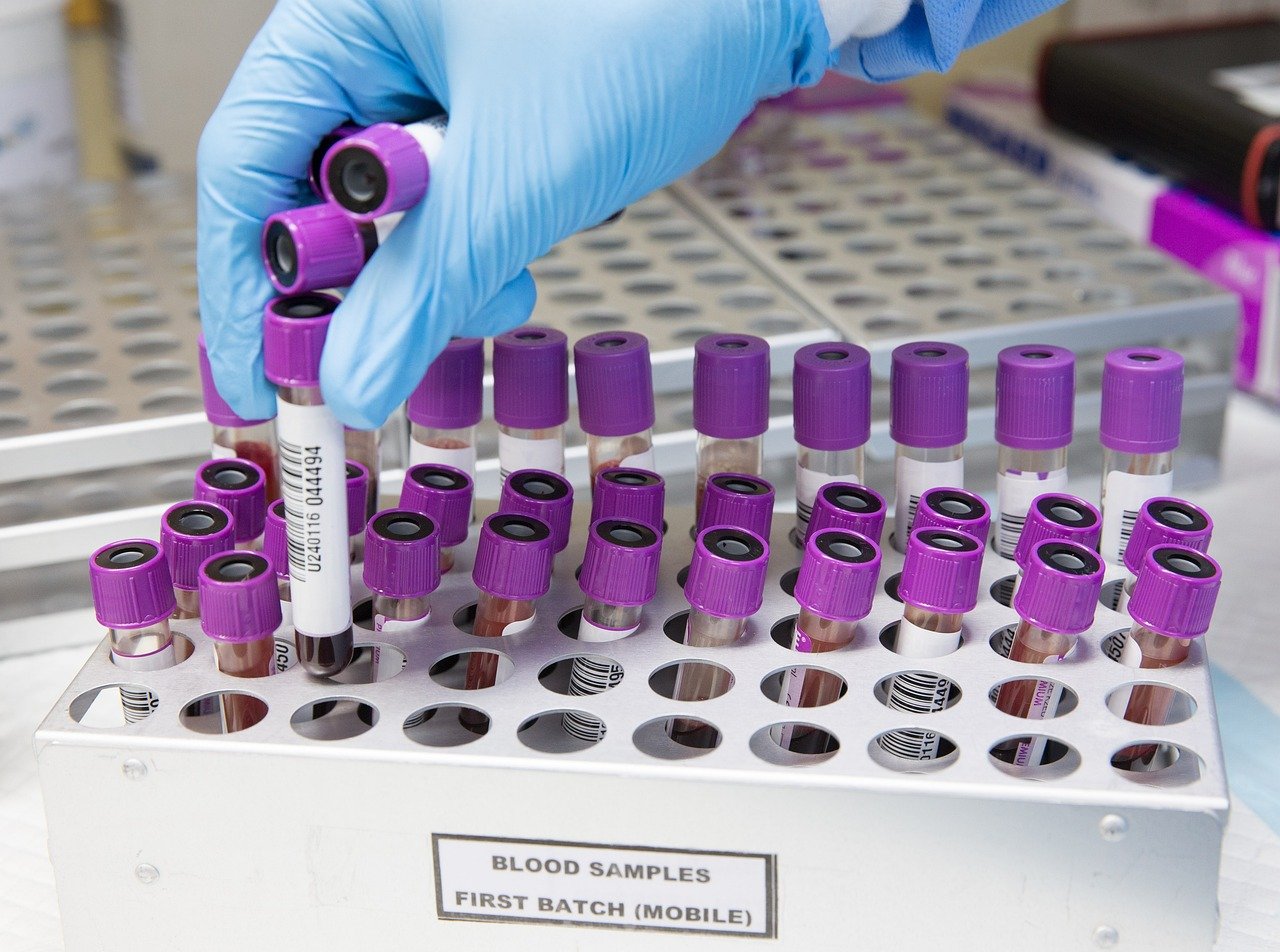
A deactivated virus means the sample should not grow or spread like an active virus. Labs often use such samples for research, testing, and training.
But deactivated samples still count as biological materials. They must travel with clear paperwork, approval, and safe handling. These steps help officials know what enters the country and where it will go.
Rules also help prevent confusion during airport checks. When researchers transport undeclared samples, officials can view the situation as a possible safety risk.
Key Details of the Case
What Is Mpox?
Mpox is a viral disease that can cause rash, fever, swollen lymph nodes, body aches, and tiredness. Some people get mild illness, while others can face more serious symptoms.
People can catch the disease through close physical contact, contaminated surfaces, or infected animals. Health agencies track mpox because outbreaks can affect many communities.
This case focuses on research samples, not a public outbreak. Still, mpox remains an important public health topic.
Why Biosecurity Rules Are Important
Biosecurity means keeping biological materials safe and controlled. It covers how labs collect, label, move, store, and study samples.
Scientists need these materials to understand diseases and improve public health. But research must follow the law. A small mistake in transport can create major concern.
Rules also protect honest researchers. When every lab follows the same process, health agencies can trust the system. It also helps the public understand that disease research has clear limits and safety checks.
What This Means for Health Readers
This case shows why public health work depends on trust. Scientists hold a serious duty when they handle virus samples. They must follow safety rules, even when they believe the material is not dangerous.
For the public, the main lesson is simple. Research helps fight disease, but safe research needs strong rules. Proper paperwork, honest answers, and careful handling matter at every step.
Conclusion
The charges against the scientists have placed a spotlight on lab safety and biological material transport. Deactivated virus samples may not carry the same risk as active samples, but they still need legal approval and safe handling.
Public health depends on science, but it also depends on trust. When researchers follow rules, they protect their work, their institutions, and the communities they serve.
Share this content:










Post Comment