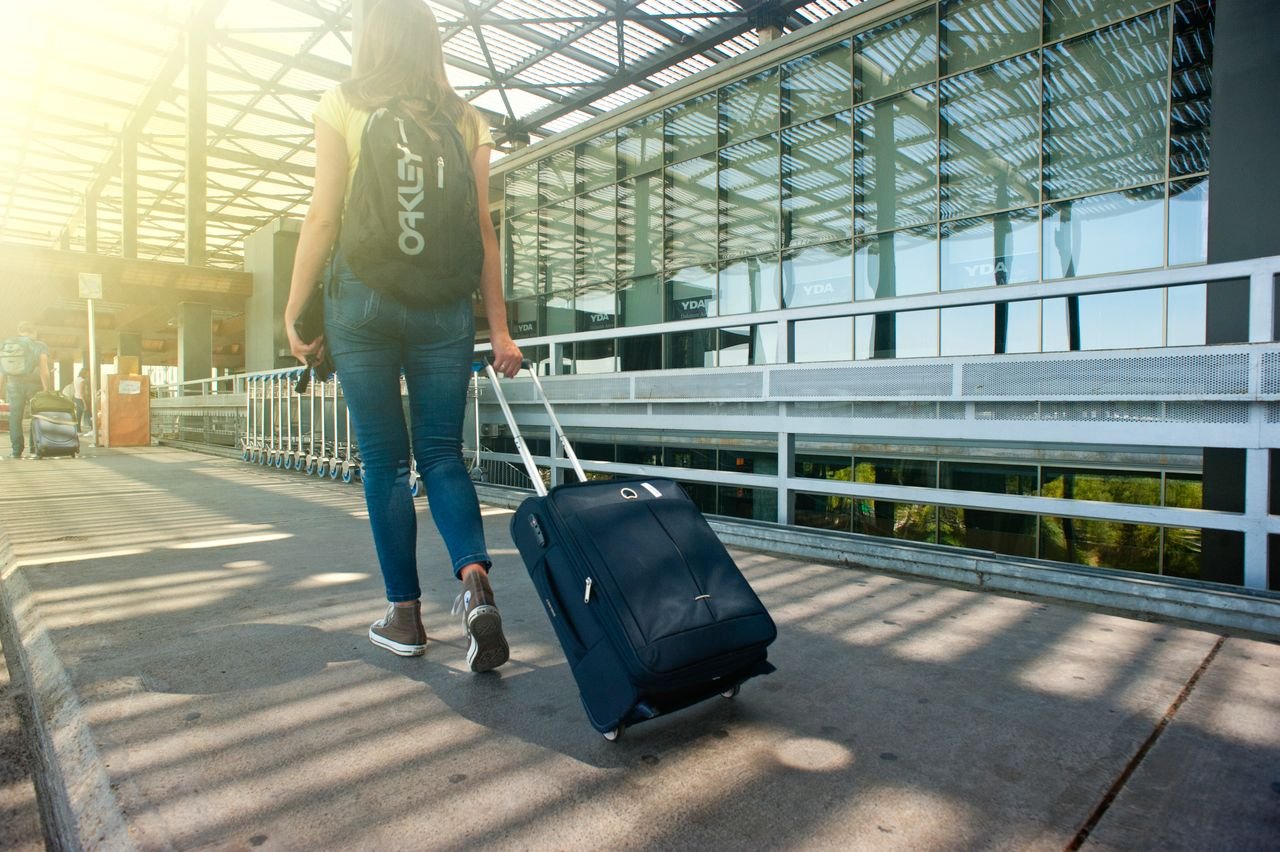
What Travelers Should Know After Returning From Ebola-Affected Regions
Travel opens up the world, but it also brings responsibility. In 2026, an Ebola outbreak in parts of Africa has put health officials on alert. If you have recently traveled through an affected region, you need to know a few simple things to protect yourself and the people around you. This guide walks you through what to watch for and what to do after you get home.
Where the Outbreak Is Happening?
The current outbreak involves a type of Ebola called Bundibugyo virus disease. Health officials have confirmed cases in the Democratic Republic of the Congo, Uganda, and South Sudan. The U.S. Centers for Disease Control and Prevention, known as the CDC, advises people to avoid non-essential travel to the Ituri, Nord-Kivu, and Sud-Kivu provinces in the Congo.
If you visited or passed through these areas, you fall into the group that should stay alert after returning. This does not mean you are sick. It simply means you should follow some basic steps to stay safe.
The 21-Day Rule:
The most important thing to remember is the 21-day window. Ebola can take between 2 and 21 days to show symptoms after a person becomes infected. Because of this, the CDC asks travelers to watch their health for a full 21 days after they leave an affected country.
During this time, you can go about your daily life if you feel well. You simply need to pay close attention to how you feel and check for any warning signs each day. Many people find it helpful to take their temperature in the morning and evening.
Symptoms to Watch For:
Ebola often starts suddenly. The early signs can look like the flu, which makes them easy to miss. Knowing the symptoms helps you act quickly if they appear.
Here are the main symptoms and what they may feel like.
| Symptom | What It May Feel Like |
|---|---|
| Fever | A high temperature that often comes on fast |
| Weakness and fatigue | Feeling very tired and low on energy |
| Headache and muscle pain | Aching in the head, back, or limbs |
| Vomiting and diarrhea | Stomach upset that can lead to dehydration |
| Unexplained bleeding | Bleeding or bruising with no clear cause |
If you notice any of these signs within 21 days of leaving an affected area, take them seriously and act right away.
What to Do If You Feel Sick?
Your response matters as much as the symptoms themselves. If you develop a fever or any other warning sign, do not travel and do not go to a clinic without warning.
Instead, call your doctor or local health department first. Tell them where you traveled and what symptoms you have. They will guide you on the safest way to get care. This step protects you and stops the illness from spreading to others in a waiting room or on public transport.
Stay home and limit contact with other people until health officials tell you what to do next. Quick and calm action gives you the best chance of a good outcome.
How Ebola Spreads?
Understanding how the virus moves helps ease worry. Ebola does not spread through the air like a cold or the flu. A person catches it only through direct contact with the bodily fluids of someone who is already sick. This includes blood, vomit, and other fluids.
Because of this, you cannot catch Ebola just by sitting near someone on a plane who looks healthy. The risk rises only when a person shows symptoms. This is why the 21-day watch period focuses so much on spotting early signs.
Screening and Entry Rules:
In May 2026, the CDC and other federal agencies added new measures at U.S. borders. They set up enhanced screening for travelers arriving from the affected countries. U.S. citizens and nationals can still enter the country, but they go through extra health checks at the airport.
Officials may also follow up with you after you arrive. A local health department might contact you to check on your health during the 21-day period. Cooperate with these calls, since they exist to keep everyone safe.
A Few Practical Tips:
Keep a simple symptom diary for three weeks. Write down your temperature and how you feel each day.
Save the contact details for your doctor and local health department before you need them. Having the numbers ready saves time in a stressful moment.
Avoid planning more travel during the 21-day window. Officials discourage extra trips in case you start to feel unwell along the way.
The Takeaway:
Most travelers who return from affected regions stay healthy. Still, a little care goes a long way. Watch for symptoms for 21 days, know the warning signs, and call ahead if you feel sick. The CDC currently rates the risk to the general public as low, but staying alert helps keep it that way.
This article shares general information and does not replace medical advice. For the latest updates and specific guidance, check the CDC website or speak with a healthcare provider. Your attention and quick action protect both your health and your community.
Share this content:












Post Comment